
Uncategorized
Herbal Breast Care in Pakistan: A Compassionate Guide for Mothers
Apr
How Pregnancy and Breastfeeding Change Breast Tissue
If you are reading this, chances are you have looked in the mirror recently and barely recognised your own body. Perhaps your breasts feel softer, lower, or simply different from anything you have experienced before. You are not imagining it and you are not alone.
Pregnancy and breastfeeding put your breast tissue through one of the most profound physical transformations your body will ever experience. In the months of pregnancy, your breasts prepare for milk production by undergoing rapid growth. The glandular tissue the milk-producing structures expands dramatically. Fatty tissue redistributes. The skin stretches. Blood flow increases. Your body is, quite literally, building a feeding system from scratch.
During breastfeeding, the mammary glands fill and empty repeatedly, sometimes for months or years. Each cycle of engorgement and release, of fullness and drainage, creates physical stress on the Cooper’s ligaments the internal structures that give breasts their shape and position. These ligaments are not muscle; once stretched, they do not snap back the way muscle does.
Then, when breastfeeding ends or even begins to slow, the glandular tissue that expanded so rapidly during pregnancy involutes it shrinks back down. But the skin that stretched to accommodate it does not always follow at the same pace. The result is what many mothers describe as “deflation” and it can feel disorienting, even grief-like, for women who are already navigating the enormous emotional and physical demands of new motherhood.
Understanding what has happened biologically is the first step toward addressing it with clarity and self-compassion not shame.
If you are a new mother in Pakistan, you may be facing this reality while simultaneously managing a household, responding to well-meaning but sometimes overwhelming family opinions, and running on very little sleep. Natural breast care after pregnancy is not vanity. It is part of your recovery and you deserve to approach it with the same care and intentionality as any other aspect of your healing.
. Why Postpartum Breast Sagging Happens (and It Is Not Your Fault)
Let us be direct: postpartum breast changes are not a punishment. They are not caused by laziness, failure to exercise, or not using the right cream at the right time. They are the predictable biological outcome of a body that has done something extraordinary.
Several mechanisms drive postpartum breast changes:
Collagen and Elastin Loss
During pregnancy, elevated levels of relaxin a hormone that loosens ligaments throughout the body to prepare for childbirth also affects breast tissue. Over time, combined with the physical stress of rapid growth and shrinkage, collagen fibres in the skin and Cooper’s ligaments degrade. Collagen is the structural protein responsible for skin firmness and elasticity. When it breaks down faster than the body can regenerate it, skin loses its ability to “bounce back.”
Hormonal Shifts
The hormonal environment of pregnancy and breastfeeding is extraordinary. Prolactin (the milk-making hormone) and oestrogen fluctuate wildly before stabilising after weaning. These fluctuations directly affect fat distribution, skin hydration, and tissue density in the breasts. After weaning, when oestrogen levels drop, the breast loses some of its fatty tissue padding contributing to the softer, less firm appearance many mothers notice.
Gravity and Skin Elasticity
This is the most basic physics: heavier breasts during pregnancy and early breastfeeding pull downward over time. Without adequate support during this period, the Cooper’s ligaments bear more strain than they are designed to handle. This is one reason why a good supportive bra during pregnancy and breastfeeding — not after — is so protective.
Rapid Weight Changes
Many women gain and then lose 10–15 kg during the pregnancy and postpartum period. Rapid weight fluctuations of this scale, anywhere on the body, reduce skin elasticity. Breasts are no exception.
| A Note on Genetics Research consistently shows that genetics play a significant role in how much your skin rebounds after pregnancy. If your mother or grandmother experienced significant breast changes postpartum, you are more likely to as well. This is not a design flaw — it is biology. What you can do is support your body’s natural recovery, not fight against it. |
3. When Is It Safe to Start Breast Care After Delivery?
This is one of the most common questions new mothers in Pakistan ask — and it is one of the most important to answer correctly, because starting too early with the wrong products or techniques can cause genuine harm.
Vaginal Delivery:
Most women can begin gentle external breast care using safe topical oils or creams, and gentle massage of the breast tissue (avoiding the nipple and areola area while breastfeeding) from approximately 6 to 8 weeks postpartum. By this point, the initial engorgement phase has typically passed, breastfeeding (if chosen) is becoming more established, and your body has begun its initial recovery. However, always check with your doctor or midwife before starting any new topical product.
Caesarean Section (C-Section):
Recovery after a C-section is significantly more demanding. Your core, abdomen, and overall energy reserves are engaged in healing a major surgical wound. Most physicians recommend waiting until at least 8 to 10 weeks before adding any new wellness routine, and until your surgical wound is fully healed and cleared by your doctor. Do not add unnecessary products or supplements to your routine while your body is managing surgical recovery.
If You Are Actively Breastfeeding:
This changes everything. Any topical product applied to breast tissue particularly near the nipple and areola must be proven safe for breastfeeding. We go into detail on this in the breastfeeding safety section at the end of this post, but the principle is simple: your baby’s safety comes before any aesthetic goal. Many safe options exist; you do not need to choose between caring for yourself and protecting your baby.
| What Can You Do Immediately After Delivery? Even in the first days and weeks, you can: wear a well-fitted supportive bra day and night (particularly important if engorgement is significant); stay well hydrated; eat protein-rich foods that support tissue repair; and rest whenever possible. These foundations matter more than any product |
What Ingredients Are Safe During the Postpartum Period?
If you are searching for natural breast care after pregnancy, you will encounter a long list of ingredients some safe, some questionable, and some actively contraindicated for breastfeeding mothers. Here is a practical guide grounded in traditional wisdom and available evidence.
Safe Topical Options (for use on breast tissue, avoiding nipple area)
Coconut Oil (Narial ka Tel): One of the most well-tolerated topical oils. It is deeply moisturising, supports skin elasticity through hydration, and poses minimal risk when used on breast skin (not the nipple while breastfeeding, as the flavour may affect feeding). Widely available across Pakistan and affordable.
Almond Oil (Badam Roghan): Rich in Vitamin E, a nutrient that supports skin repair and reduces oxidative stress in skin cells. Traditionally used in South Asian postpartum massage (malish) for generations. Generally considered safe for topical use during breastfeeding, away from the areola.
Fenugreek Oil / Methi (topical, not ingested): Methi has a long history in South Asian herbal medicine. As a topical oil distinct from ingested supplements it has been used traditionally to firm and nourish skin. Note: internal fenugreek supplements have different considerations
Olive Oil (Zaitoon Roghan): A rich source of squalene and oleic acid, both of which support skin moisture barrier function. Historically significant in Islamic herbal medicine, and widely available throughout Pakistan. Can be used for gentle massage of breast tissue.
Shea Butter and Cocoa Butter: Both have evidence supporting their role in improving skin elasticity and hydration when used consistently. Neither is associated with harm during breastfeeding when applied to breast skin (not nipple). Shea butter is increasingly available in larger Pakistani cities.
Ingredients to Approach with Caution or Avoid
- Essential oils (tea tree, lavender, eucalyptus, peppermint): Many essential oils are not recommended during breastfeeding. Peppermint oil in particular is traditionally noted to reduce milk supply. Do not use undiluted essential oils on breast tissue while nursing.
- Retinol and retinoid based creams: These are contraindicated during breastfeeding due to concerns about systemic absorption.
- Products containing caffeine in large concentrations: Caffeine can pass into breast milk; topical caffeine creams applied to breast tissue warrant caution.
- Any product not specifically tested or labelled as safe for breastfeeding mothers.
The Role of Massage in Postpartum Breast Recovery
Massage is one of the oldest forms of postpartum care in South Asia — and for good reason. When done correctly, gentle breast massage offers several genuine benefits for recovering mothers.
What Massage Actually Does:
Massage improves local blood circulation to breast tissue, which supports the delivery of nutrients and oxygen that help with skin repair. It can also help lymphatic drainage, reduce water retention in the tissue, and importantly for breastfeeding mothers help prevent or relieve blocked ducts. When combined with a nourishing oil, massage aids the penetration of topical ingredients and keeps skin hydrated and supple.
How to Massage Correctly:
- Begin with clean, dry hands and a small amount of your chosen oil (almond, coconut, or olive oil are all appropriate).
- Use gentle circular motions on the outer tissue of the breast not the nipple or areola, especially if breastfeeding.
- Move upward and inward — supporting the natural direction of Cooper’s ligaments rather than pulling downward with gravity.
- Use light to moderate pressure. This is nourishment, not deep tissue work. Postpartum breast tissue is sensitive and sometimes tender.
- 5 to 10 minutes per side, two to three times per week, is a realistic and effective frequency for most mothers.
Realistic Outcomes:
Massage will not reverse changes to Cooper’s ligaments, which are structural. What it will do is meaningfully improve skin hydration, elasticity, and surface texture over time and many mothers report that even the ritual of caring for their bodies with intention has significant emotional benefits. Consistency over 8 to 12 weeks is where real results build.
| Important: If You Are Breastfeeding Never perform firm massage around the areola or nipple. If you notice any lumps, localised pain, redness, or warmth in breast tissue, stop and consult your doctor immediately — these can be signs of blocked ducts or mastitis, which require medical attention. |
Internal Herbal Supplements: What Postpartum Women Should Know Before Starting
Many Pakistani mothers are drawn to internal herbal supplements as part of their postpartum recovery — and this is deeply rooted in our traditional healing culture. Unani and Ayurvedic traditions have used herbal preparations for postpartum recovery for centuries. However, when you are breastfeeding, every supplement you take has the potential to reach your baby through breast milk.
Here is what the evidence and tradition tell us about commonly used herbs:
Fenugreek (Methi Seeds) Internal:
Methi is one of the most widely used galactagogues (substances believed to increase milk supply) in Pakistani tradition. Some clinical evidence supports its use for milk production. However, it can also cause gas and digestive discomfort in both mother and baby, and in large doses may affect blood sugar levels. Use with moderation and ideally with guidance from a health practitioner.
Fennel Seeds (Saunf):
Saunf is deeply embedded in Pakistani cooking and traditional medicine. It is commonly consumed as a digestive aid postpartum and is generally considered safe in culinary amounts. As a supplement in larger quantities, its phytoestrogenic properties mean it should be used carefully during breastfeeding. Small culinary doses are unlikely to cause concern.
Black Seed (Kalonji / Nigella Sativa):
Kalonji has a significant place in Islamic medicine and Pakistani tradition. Used topically and internally, it has demonstrated anti-inflammatory properties in research settings. In culinary amounts as part of food, it is generally considered safe. High-dose supplemental kalonji oil is not well-studied in breastfeeding populations, so caution is warranted.
Ashwagandha (Asgandh):
Increasingly popular for postpartum fatigue and stress. However, there is insufficient safety data for use during breastfeeding. We do not currently recommend ashwagandha supplementation for breastfeeding mothers without direct medical guidance.
Aloe Vera (Ghritkumari) — Internal:
Topical aloe is generally safe. Internal aloe (aloe latex supplements) is a different matter, it acts as a laxative and is not recommended during breastfeeding.
| The Golden Rule for Supplements While Breastfeeding If you are considering any internal herbal supplement, discuss it with your doctor, midwife, or a qualified Unani/herbal medicine practitioner before starting. The fact that something is ‘natural’ does not automatically make it safe during lactation. Your milk is your baby’s entire nutritional world — protect it. |
7. Lifestyle Factors That Help: Nutrition, Hydration, and Supportive Bras
No topical product or supplement works in isolation. The foundations of postpartum breast recovery and overall postpartum health are the lifestyle practices that support your body’s ability to repair and regenerate.
Nutrition for Skin and Tissue Repair:
- Protein: Collagen is made from protein. Prioritise protein-rich foods at every meal , daal, chicken, eggs, paneer, and legumes are all excellent, affordable, widely available in Pakistan, and compatible with South Asian cooking. Aim for a palm-sized portion of protein per meal.
- Vitamin C: Essential for collagen synthesis. Citrus fruits, amla (Indian gooseberry — available dried throughout Pakistan), tomatoes, and green peppers are good sources. A simple amla powder mixed in warm water is an excellent daily addition.
- Zinc: Supports tissue healing. Found in meat, seeds (pumpkin seeds, sesame), and legumes.
- Healthy fats: Omega-3 fatty acids support skin hydration from within. Flaxseed (alsi), walnuts, and fatty fish (if available and accessible) are good sources.
Hydration:
Dehydration is extraordinarily common among breastfeeding mothers, who need significantly more fluid than usual. Dehydrated skin loses elasticity much faster. Aim for 8 to 10 glasses of water daily, plus herbal teas saunf chai and kahwa are culturally familiar and genuinely supportive choices.
Supportive Bras The Most Underrated Tool:
A well-fitted supportive bra is not optional during postpartum recovery it is one of the most impactful things you can do for breast health. Cooper’s ligaments cannot repair themselves once stretched, which means prevention during pregnancy and breastfeeding is far more powerful than any treatment after the fact. Look for:
- Wide straps that distribute weight rather than digging into shoulder skin.
- Full-cup coverage that supports from below, not just compresses from the front.
- No underwire during active breastfeeding (can compress milk ducts).
- A sleep bra for overnight support, particularly if you have heavier breasts or are engorged.
In Pakistan’s larger cities, dedicated nursing bras are available in most maternal wear shops. In smaller towns, a well-fitted, supportive sports bra is an excellent alternative.
What to Expect When Starting a Herbal Breast Firming Course
Managing expectations is an act of respect for new mothers. You deserve honesty, not marketing promises.
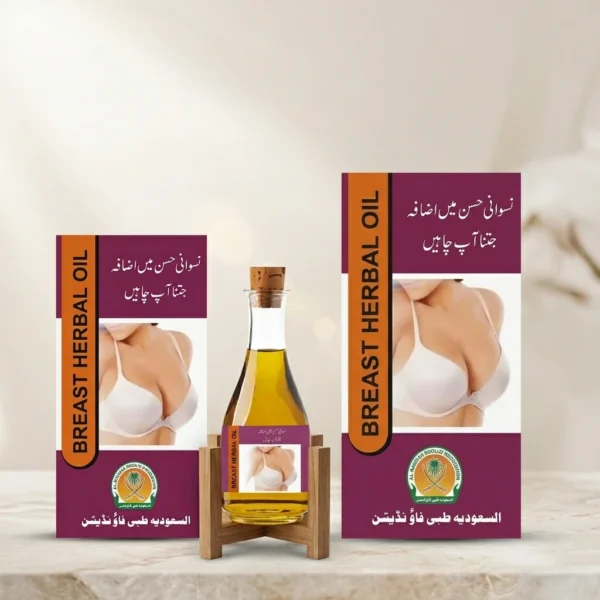
Al- Saudia Herbal Breast Oil
Features:
- Brand: Al – Saudia Tibbi Foundation
- Product Name: Breast Oil
- Special Feature: Herbal Product, Moisturize breast, Increase Breast size Naturally,
Al Saudia Tibbi Foundation’s Breast Herbal Oil is a botanical blend crafted specifically for women seeking fuller, firmer breasts. Enriched with potent herbs and botanical extracts, this nourishing oil gently stimulates breast tissue, promoting natural growth and enhancing firmness.
Timeline of Realistic Results:
Weeks 1 to 2: Your skin will feel more hydrated. The ritual of massage and care will feel grounding. You will likely notice no dramatic visual change yet and that is completely normal.
Weeks 3 to 6: Consistent massage and topical oil use typically begins to show in improved skin texture and elasticity. Skin feels less “papery” and more supple. Some women notice improved tone in the surrounding chest area if they have incorporated light exercise.
Weeks 6 to 12: This is where meaningful change becomes visible for most women. Skin elasticity is noticeably improved with consistent use. Shape changes require more time and are influenced by whether you are still breastfeeding, your genetics, and your overall health.
3 to 6 Months: Women who are consistent meaning daily or near-daily application, regular massage, good nutrition and hydration typically see the most significant cumulative results in this window, particularly if breastfeeding has ended or significantly reduced.
What No Herbal Course Can Do:
Be appropriately sceptical of any product claiming to “restore pre-pregnancy breasts” or deliver dramatic reshaping. Topical products can meaningfully improve skin quality, hydration, and elasticity. They cannot reverse changes to the internal ligamentous structure of the breast, and they cannot significantly alter breast volume or position. That is honest, and it matters.
| Our complete guide to herbal breast firming For a full breakdown of ingredients, application techniques, what to combine with what, and a week-by-week guide to our herbal course, see our complete guide to herbal breast firming at alsaudiatibbifoundation.pk |
Real Questions New Mothers Ask: FAQ Section
These are the questions we actually receive from mothers across Pakistan and the honest, culturally-aware answers they deserve.
“My (mother-in-law) says I should tie a cloth tightly around my chest after delivery. Is this safe?”
Tight binding around the chest postpartum is a traditional practice in many South Asian families, historically used to “reduce” breast size or “tighten” tissue. However, it can compress milk ducts and increase the risk of blocked ducts and mastitis in breastfeeding mothers, and it does not meaningfully improve breast shape. Gentle support (a supportive bra) is safer and more effective.
“I am only 6 weeks postpartum and still breastfeeding. Is it too early to start anything?”
For most vaginal delivery mothers, gentle topical massage with a safe oil (coconut or almond) on the outer breast tissue, avoiding the nipple, can begin around 6 to 8 weeks. Avoid any unverified products. Check with your doctor first, particularly if you had a C-section.
“I cannot find these products in my city (smaller town, rural area). What can I do?”
The most effective basic options coconut oil, almond oil (badam roghan), olive oil (zaitoon roghan), and saunf are available in virtually every bazaar across Pakistan. You do not need expensive imported products to begin. Good massage, a supportive bra, hydration, and protein-rich traditional Pakistani food are genuinely the most impactful starting points.
“My husband is uncomfortable with me spending time and money on this. How do I explain it?”
Postpartum recovery is a medical and wellness need, not an indulgence. A mother who is physically and emotionally cared for is better positioned to care for her children and family. Many of the practices described here cost very little household oils, hydration, rest, and proper bra support. Frame it as part of your health recovery, not a luxury.
“Will my breasts ever go back to how they were before?”
For most women, the honest answer is: they will change, and with consistent care, they will feel firmer and healthier — but they may not return to their exact pre-pregnancy appearance. This is true regardless of what products you use. What you can genuinely achieve is healthy, hydrated, well-cared-for skin, improved elasticity, and a body you feel comfortable and confident in. That is a worthy goal.
“I am already 14 months postpartum and stopped breastfeeding. Is it too late to start?”
No. The end of breastfeeding is actually when collagen regeneration and skin remodelling are most active, because your hormones are stabilising and oestrogen is returning. Many women find this is the ideal window to begin a structured herbal breast care routine. It is never too late to care for your body.
A Note on Breastfeeding Safety Important Caution
| Please Read Before Using Any Product This section is the most important in this post. Everything else is secondary to the safety of your baby. |
If you are breastfeeding, please observe these non-negotiable precautions:
- Never apply any product including natural oils directly to the nipple or areola before a feeding. Even food-safe oils can affect the taste of your milk and may discourage your baby from feeding.
- If you apply any topical product to breast tissue before a feed, clean the area gently with warm water before your baby latches.
- Do not use essential oils on breast tissue during breastfeeding without explicit medical approval.
- Any internal herbal supplement should be discussed with a doctor, midwife, or qualified herbal practitioner before use while breastfeeding.
- If you notice your baby becoming fussy, refusing feeds, or showing signs of digestive upset after you begin a new supplement, stop the supplement and consult your doctor.
- Stop any product immediately and consult a doctor if you notice: redness, swelling, skin irritation, lumps, localised warmth, or nipple discharge that is unusual for your stage of lactation.
Breast health and your wellbeing matter deeply. Your baby’s safety matters more. Fortunately, when approached with care and accurate information, these two priorities almost always align.
Summary
Your body has grown, nourished, and if you chose to fed a human being. The changes you are seeing in your breasts are not damage. They are evidence of what your body has been through. Understanding that biology removes the shame and replaces it with something far more useful: informed, compassionate self-care.
Here is what we have covered in this guide:
- Postpartum breast changes are driven by predictable biology: collagen loss, hormonal shifts, gravity, and rapid weight changes. None of it is your fault.
- Safe breast care after vaginal delivery can typically begin at 6 to 8 weeks; after C-section, 8 to 10 weeks always with your doctor’s guidance.
- Topical options like coconut oil, badam roghan, and zaitoon roghan are safe, affordable, and widely available across Pakistan.
- Consistent massage gentle, upward, and away from the nipple while breastfeeding improves circulation, hydration, and skin quality over time.
- Internal herbal supplements must be approached with caution during breastfeeding. Traditional herbs like methi and saunf are generally safe in culinary amounts, but supplemental doses require medical guidance.
- Hydration, protein-rich nutrition, and a well-fitted supportive bra are the most impactful and underrated tools for postpartum breast health.
- Results from a consistent herbal care routine typically begin to show meaningfully at 6 to 12 weeks of regular use.
- Your baby’s safety is always the first priority.
